

Best Easy to Use Duck Call for Beginners is an essential starting point for new waterfowl hunters who want to sound realistic without a steep learning curve. A well-designed beginner duck call offers forgiving airflow, natural tones, and consistent performance, helping first-time callers build confidence quickly. By choosing a call that is simple to blow and reliable in real hunting conditions, beginners can focus on learning basic techniques, attracting ducks effectively, and enjoying a more successful and rewarding hunting experience.
Best Easy to Use Duck Call for Beginners
1.Zink Calls Power Hen 2 (PH-2) Polycarbonate Double Reed Durable Hunting Waterfowl Duck Game Call, Mallard Green
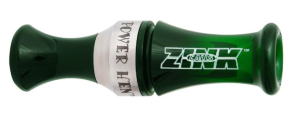
The Zink Calls Power Hen 2 (PH-2) Polycarbonate Double Reed Durable Hunting Waterfowl Duck Game Call, Mallard Greencall is built with ultimate performance in mind. Every mouthpiece and bell is precisely machined using advanced software that considers every millimeter of each cut. This attention to detail ensures smooth airflow, balanced back pressure, and dependable sound production. Beginners benefit greatly from this precision because it reduces air control mistakes and helps produce clean, natural calls right from the start.
Featuring a double reed design, this duck call produces the smooth mallard sounds most hunters want, while remaining forgiving for new users. The double reed setup offers increased volume and a noticeably improved bottom-end feed chuckle, allowing beginners to create convincing quacks, clucks, and feeding sounds with minimal effort. This balance of realism and ease of use makes it especially appealing to first-time callers.
Another standout feature is the Z-Cut, no-stick tone channel, a groundbreaking design that allows for a wide range of tones while virtually eliminating reed lock. This means the call continues to perform reliably even in cold, wet hunting conditions—something beginners often struggle with. The result is consistent sound output and fewer frustrations in the field.
Each call is crafted with superior quality control, as the reeds and internal components are carefully secured and then hand-tuned by waterfowl experts. This hands-on tuning process ensures that every call meets strict sound standards before reaching the hunter. Molded after a premium custom acrylic model, the durable polycarbonate construction delivers natural sound quality while standing up to harsh hunting environments.
Specifications
-
Call Type: Duck Call
-
Reed Style: Double Reed
-
Material: Polycarbonate
-
Tone Channel: Z-Cut, No-Stick Design
-
Sound Profile: Smooth mallard tones with enhanced feed chuckle
-
Tuning: Hand-tuned for consistent performance
-
Skill Level: Beginner to Intermediate
Pros
-
Easy to blow and beginner-friendly
-
Double reed design produces realistic mallard sounds
-
No-stick tone channel reduces reed lock
-
Durable polycarbonate construction
-
Hand-tuned for reliable, consistent sound
-
Good volume with strong bottom-end feed chuckle
Cons
-
Less tonal flexibility than some advanced single-reed calls
2.Buck Gardner Calls BGC Double Nasty Duck Call – Camo Green – Double Reed
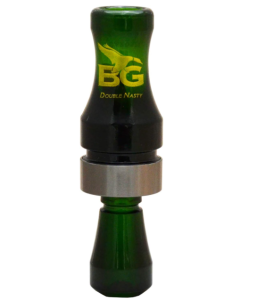
the Buck Gardner Calls BGC Double Nasty Duck Call – Camo Green – Double Reed Spit-Tech toneboard design, which allows it to blow clearly even when wet. Moisture buildup is a common problem for beginners, often causing calls to stick or fail. This innovative toneboard minimizes that issue, ensuring smooth airflow and consistent sound production throughout the hunt, rain or shine.
Built with durable polycarbonate construction, the call is lightweight yet tough enough to handle rough field use. Polycarbonate is known for producing crisp, realistic tones while resisting cracks and temperature changes. The addition of a gunmetal aluminum band not only enhances durability but also adds a clean, professional finish that stands up to long-term use.
Each call is hand-tuned and tested to guarantee dependable performance straight out of the package. This process ensures a raspy tone with a full range of volume, allowing beginners to produce soft quacks for close-range birds or louder hail calls when ducks are flying at a distance. The balanced sound profile makes it easy to learn basic calling techniques while still sounding convincing to approaching waterfowl.
Proudly made in the USA 🇺🇸, this duck call reflects quality craftsmanship and attention to detail. Its combination of ease of use, durability, and authentic sound makes it a trusted choice for beginners who want confidence and consistency in the blind.
Specifications
-
Call Type: Duck Call
-
Toneboard: Spit-Tech (wet-condition capable)
-
Material: Polycarbonate
-
Band: Gunmetal aluminum
-
Sound Profile: Raspy with wide volume range
-
Tuning: Hand-tuned and tested
-
Country of Origin: Made in the USA
Pros
-
Blows easily, even when wet
-
Beginner-friendly with forgiving airflow
-
Durable polycarbonate body
-
Raspy, realistic duck tones
-
Wide volume range for different hunting situations
-
Hand-tuned for consistent sound quality
-
Made in the USA 🇺🇸
Cons
-
Raspy tone may be less appealing to hunters who prefer softer sounds
3.Duck Commander Classic Duck Calls – Variety of Styles, Durable and Easy to Use for Waterfowl Hunting
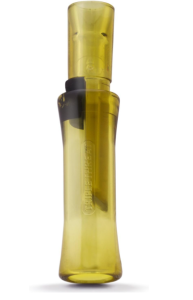
the Duck Commander Classic duck call is made to withstand tough outdoor environments. Polycarbonate offers excellent resistance to moisture, temperature changes, and impact, ensuring long-lasting performance season after season. Beginners can rely on this weather-resistant design to perform consistently, even in cold mornings or wet marsh conditions.
The triple reed design is a key feature that makes this call especially beginner-friendly. By using three reeds instead of one, the call naturally produces nasally, raspy tones that closely resemble a real mallard hen. This design is more forgiving than single-reed calls, allowing new callers to achieve realistic sounds with less precise air control, while still appealing to experienced hunters who value authenticity.
Specifically tuned for mallard hen calls, this duck call excels at producing versatile, raspy tones that carry well over water. The sound profile helps attract ducks from a distance, giving hunters an advantage when birds are scattered or visibility is limited. Its ability to deliver both volume and realism makes it a dependable choice in a variety of hunting situations.
Designed with the user in mind, this call is easy to operate for all skill levels. It requires minimal effort to produce consistent, convincing sounds, helping beginners build confidence quickly. The friction-fit system ensures a secure connection between the barrel and insert, preventing slipping or misalignment and providing a smooth, reliable calling experience every time.
Specifications
-
Call Type: Duck Call
-
Material: Polycarbonate
-
Reed System: Triple Reed
-
Fit Style: Friction Fit
-
Sound Profile: Nasally, raspy mallard hen tones
-
Skill Level: Beginner to Experienced Hunters
Pros
-
Very easy to use for beginners
-
Triple reed design produces realistic mallard hen sounds
-
Durable, weather-resistant polycarbonate build
-
Raspy tone carries well over water
-
Secure friction-fit design prevents slipping
-
Consistent performance in various hunting conditions
Cons
-
Triple reed offers less tonal flexibility than advanced single-reed calls
4.Haydel’s Game Calls Inc. MP-05 Mallard Pack Featuring The Double Reed RL-99 Redleg Mallard Duck Call and The Single Reed SZ-05 Shizzle Duck Call
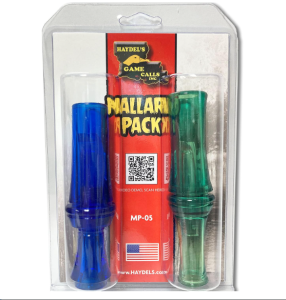
The RL-99 “Redleg Mallard” double-reed call is modeled after the well-known DR-85 system and is prized for its rich resonance and forgiving airflow. Double-reed calls are ideal for beginners because they require less air control and naturally produce realistic mallard tones. This call delivers smooth, consistent sounds that help beginners master basic quacks, clucks, and feeding chatter with confidence.
Complementing it is the SZ-05 molded acrylic single-reed call, designed for open-water hunting where extra volume and sharp tone projection are needed. While single-reed calls are often more advanced, this one remains approachable, allowing beginners to gradually explore louder, more expressive calling once they’re comfortable with the basics. The acrylic construction enhances clarity and volume, making it effective when ducks are flying at a distance.
Both calls are designed and hand-tuned by professional callers, ensuring dependable sound quality straight out of the package. They are built to blow wet, meaning moisture and cold conditions won’t cause sticking or sound loss—an important feature for beginners still learning proper call handling. Proudly made in the USA, these calls reflect quality craftsmanship and thoughtful design for real hunting scenarios.
Specifications
-
Call Types: Single Reed & Double Reed
-
Double Reed Model: RL-99 “Redleg Mallard”
-
Single Reed Model: SZ-05
-
Materials: Molded acrylic (single reed)
-
Sound Profile: Resonant mallard tones with high-volume open-water capability
-
Performance: Blows wet
-
Tuning: Hand-tuned by professional callers
-
Country of Origin: Made in the USA
Pros
-
Includes both single and double reed calls
-
Beginner-friendly double reed with rich resonance
-
Single reed provides strong volume for open water
-
Hand-tuned for reliable performance
-
Blows consistently even when wet
-
Made in the USA
Cons
-
Single reed may require some practice for complete control
5.Duck Commander Classic Series Duck Call, Duck Decoy Waterfowl Hunting Lanyard Accessories, Triple Threat & 6 in 1 Pintail/Widgeon Duck Call, Duck Dynasty Quail & Dove Whistle Call, Yellow

The triple-reed duck call is designed to be exceptionally easy to blow, making it ideal for beginners learning proper airflow and cadence. Its triple-reed system is forgiving and helps produce consistent sounds even when technique isn’t perfect. This all-around call is tuned to replicate the mallard hen’s quack, feed call, and hail call, allowing beginners to cover the most common calling situations with a single call.
One of the standout features of this duck call is its ability to create unique tonal ranges. It delivers low, gravelly tones that mimic mature hens as well as higher, scratchier pitches that resemble young hens. This tonal versatility gives beginners the chance to sound more realistic without mastering advanced calling techniques. Built from durable polycarbonate, the call is tough enough to handle rough weather and frequent use, ensuring long-lasting performance season after season.
Complementing the duck call is a beginner-friendly duck whistle that is incredibly easy to use. Designed so that almost anyone can blow it successfully, this whistle is perfect for beginners, youngsters, or anyone wanting to assist in the blind. Its forgiving design makes it difficult to produce a bad sound, which helps build confidence quickly.
This whistle functions as six calls in one, replicating Teal Drake, Pintail Drake, Mallard Drake, Wigeon Drake, Dove, and Quail calls. The simple, subtle sounds produced by the whistle are especially effective at calming wary birds, often helping bring in ducks that are hesitant to commit. Together, this call combination provides beginners with both volume and finesse for a wide range of hunting situations.
Specifications
-
Call Type: Duck Call & Duck Whistle Combo
-
Duck Call Reed System: Triple Reed
-
Duck Call Material: Polycarbonate
-
Duck Call Sounds: Mallard hen quack, feed call, hail call
-
Whistle Functions: 6-in-1 (Teal, Pintail, Mallard, Wigeon, Dove, Quail)
-
Skill Level: Beginner-friendly / Youth-friendly
Pros
-
Extremely easy to blow, ideal for beginners
-
Triple reed design produces consistent, realistic sounds
-
Covers multiple mallard hen vocalizations
-
Wide tonal range for different hen ages
-
Durable polycarbonate construction
-
Whistle is very forgiving and simple to use
-
6-in-1 whistle adds versatility for multiple species
-
Helps attract even shy or pressured ducks
Cons
-
Triple reed offers less fine-tuned control than single-reed calls
Also read;4 Best Waterproof Duck Call Pouch
Factor to Consider when Choosing Best Easy to Use Duck Call for Beginners
1. Reed Type (Single, Double, or Triple Reed)
The reed type is one of the most important factors for beginners. Double and triple reed duck calls are generally easier to use because they are more forgiving and require less precise air control. They naturally produce realistic, raspy tones even if your technique isn’t perfect. Single reed calls offer more sound flexibility but usually take more practice, making them better as a second call once basic skills are learned.
2. Ease of Blowing
An easy-to-blow duck call helps beginners avoid fatigue and frustration. Calls with good back pressure allow you to produce sound with minimal air, making it easier to control volume and cadence. If a call requires too much air, beginners may struggle to maintain consistency, especially during long hunts or cold conditions.
3. Sound Realism
A beginner duck call should closely mimic natural duck sounds, particularly mallard hen calls like quacks, clucks, and feeding chatter. Realistic sound quality helps attract ducks without needing advanced calling skills. Calls that naturally produce raspy, natural tones are especially useful for beginners trying to sound convincing in the field.
4. Volume Range
Having a call with a flexible volume range is important for different hunting situations. Beginners benefit from calls that can produce soft, subtle sounds for close ducks as well as louder hail calls for birds flying at a distance. A balanced volume range allows new hunters to adapt without switching calls or overblowing.
5. Material and Durability
Duck calls are exposed to water, cold, and rough handling, so durability matters. Polycarbonate and acrylic calls are popular for beginners because they are tough, weather-resistant, and easy to maintain. A durable call ensures consistent performance and helps beginners focus on learning rather than worrying about damaging their gear.
6. Performance in Wet Conditions
Moisture can cause reed lock or poor sound, which is frustrating for beginners. Choosing a duck call designed to blow well when wet—such as those with moisture-resistant toneboards—ensures reliable performance in rain, snow, or high-humidity environments. This reliability builds confidence during real hunting conditions.
7. Comfort and Fit
A comfortable mouthpiece and secure fit make a big difference, especially for new callers. Calls with ergonomic designs and secure barrel-to-insert connections (such as friction-fit systems) feel more natural to use and reduce air leaks. Comfort helps beginners practice longer and develop better control over time.
8. Versatility for Learning and Growth
The best beginner duck call should allow room to grow. Versatile calls that handle basic quacks while also producing feeding chatter or hail calls help beginners progress without immediately needing a replacement. A call that works for multiple situations and skill levels offers better long-term value and learning potential.
Frequent Asked Question Best Easy to Use Duck Call for Beginners
1. What type of duck call is easiest for beginners to use?
Beginner-friendly duck calls are typically double-reed or triple-reed designs. These reed systems are more forgiving and produce realistic sounds with less air control. They naturally generate cleaner quacks and clucks even if your calling technique isn’t perfect—making them ideal for new hunters learning how to blow and cadence their calls. Single-reed calls can offer more versatility in tone but usually require more practice before sounding natural.
2. How do I practice duck calling if I’m just starting out?
Start by practicing the basic sounds at home or in a quiet outdoor space. Focus on three core call types:
-
Quack: Short, crisp sounds to mimic a mallard hen.
-
Feed Call: A rapid series of soft, rhythmic clucks to imitate feeding ducks.
-
Hail Call: Louder, attention-getting quacks to draw ducks in from a distance.
Use slow, controlled breaths and work on smooth transitions between sounds. Practicing daily—even for just a few minutes—builds muscle memory and helps you understand how your call responds to breath pressure.
3. Why does my duck call sound different in the field than at home?
There are a few reasons:
-
Wind and distance: Outdoors, wind direction and range can affect how sound travels.
-
Moisture: Water, humidity, or spit can change how reeds vibrate. A quality beginner call designed to “blow wet” handles moisture better and stays more consistent.
-
Technique: It takes time to control airflow and tone in different environments.
Conclusion
Choosing the right duck call as a beginner can make a significant difference in both confidence and success in the field. An easy-to-use option that delivers realistic sound, reliable performance in wet conditions, and a forgiving design allows new hunters to focus on learning proper calling techniques rather than struggling with equipment. With the right balance of durability, sound quality, and user-friendly features, beginners can quickly develop their skills, sound more natural to approaching ducks, and enjoy a more rewarding waterfowl hunting experience.