
Best Deer Call for Late Season Hunts
1.Extinguisher Deer Call by Illusion | Grunt Tube | Buck, Doe, Fawn | Adjustable 10-in-1 Call | Color (CAMO/Black) | Freeze Resistant
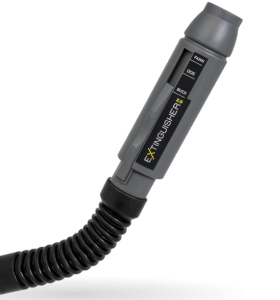
the Best Deer Call for Late Season Hunts stands out by delivering unmatched versatility, lifelike sound quality, and reliable performance in harsh winter conditions. Designed to adapt to cautious, pressure-wise whitetails, this call gives hunters the ability to communicate naturally and convincingly when opportunities are few and every sound counts.
The new and improved Extinguisher 2.0 Deer Call builds on an already proven design and takes it to the next level. It offers a wider range of tone, volume, and pitch control, allowing hunters to fine-tune calls to match late-season deer vocalizations. Deeper buck grunts help draw in dominant bucks still cruising for late-estrus does, while softer doe and fawn sounds are ideal for food-patterned deer that respond better to subtle social communication. The flexible rubber throat tube enhances realism and allows directional calling, helping you guide approaching deer exactly where you want them.
What truly sets this call apart is its patented ModiSlide adjustable reed system, making it a true 10-in-1 deer call. With a quick slide adjustment, hunters can instantly switch between fawn bleats, doe grunts, estrus bleats, buck contact grunts, tending grunts, roars, distress cries, clicks, pops, and more—all from a single call. This versatility is especially valuable in late season, when deer vocalizations vary depending on pressure, weather, and remaining breeding activity. Each call is hand-tuned and tested, contributing to its 99.6% approval rating by the NAHC, the highest ever recorded for a deer call.
Late-season hunts often mean freezing temperatures, snow, and moisture, but the Extinguisher 2.0 is built to perform regardless of conditions. Its innovative freeze-free slide design not only adjusts tone but also breaks loose frozen or wet reeds, ensuring consistent sound when other calls fail. Combined with access to professional instructional videos and advanced calling strategies, this call doesn’t just make noise—it helps hunters truly communicate with whitetails. Proudly made in the USA, it reflects quality craftsmanship tested by serious deer hunters in real-world conditions.
Specifications
-
Call Type: Adjustable multi-sound deer call
-
Sound Capability: Over 10 buck, doe, and fawn vocalizations
-
Reed System: Patented ModiSlide adjustable reed
-
Construction: Flexible rubber throat tube
-
Weather Performance: Freeze-free, moisture-resistant design
-
Tuning: Hand-tuned and tested
-
Rating: 99.6% NAHC approval
-
Origin: Made in the USA
Pros
-
Extremely versatile 10-in-1 calling capability
-
Realistic sound quality with deep, late-season buck grunts
-
Freeze-free design performs in cold, wet weather
-
Easy and fast call adjustment in the field
-
Hand-tuned with industry-leading approval rating
-
Made in the USA with hunter-focused craftsmanship
Cons
-
Learning curve to fully master all sound options
2.Extinguisher Deer Call by Illusion | Grunt Tube | Buck, Doe, Fawn | Adjustable 10-in-1 Call | Color (CAMO/Black) | Freeze Resistant
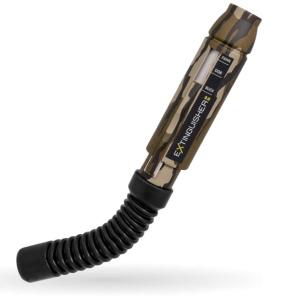
the Extinguisher Deer Call by Illusion | Grunt Tube | Buck, Doe, Fawn | Adjustable 10-in-1 Call | Color (CAMO/Black) | Freeze Resistant delivers exceptional sound accuracy and versatility, making it a powerful tool when bucks are still checking for late-estrus does and deer are concentrated around food sources. This call is built to help hunters communicate naturally and confidently when every opportunity matters.
The Extinguisher 2.0 Deer Call stands at the top of its class with a 99.6% approval rating from the NAHC, the highest ever awarded to a deer call. Each unit is hand-tuned and tested before leaving the facility, ensuring consistent, realistic tones that closely match real deer vocalizations. This level of quality control gives hunters confidence that every grunt, bleat, or contact call sounds authentic—an essential advantage during late-season hunts when deer are less tolerant of unnatural sounds.
What truly sets this call apart is its patented ModiSlide adjustable reed system, making it a true 10-in-1 deer call. With a quick and simple adjustment, hunters can replicate more than ten distinct buck, doe, and fawn sounds. From soft fawn bleats and doe grunts to estrus bleats, buck contact grunts, tending and breeding grunts, roars, and distress cries, this call adapts instantly to changing deer behavior. This versatility allows hunters to respond effectively to different late-season scenarios without switching calls or missing critical moments.
Cold, wet, and freezing conditions are common during late-season hunts, and this call is engineered to perform in them all. Its freeze-free, slide-based design not only adjusts tone but also breaks loose frozen or moisture-locked reeds, ensuring dependable sound production when other calls fail. Beyond the product itself, hunters gain access to a comprehensive library of instructional videos and advanced hunting strategies, helping them learn when and how to use each sound effectively. Proudly made in the USA, this deer call is assembled, tuned, and field-tested by experienced hunters who understand real-world demands.
Specifications
-
Call Type: Adjustable multi-sound deer call
-
Sound Capability: 10+ buck, doe, and fawn vocalizations
-
Reed System: Patented ModiSlide adjustable reed
-
Weather Performance: Freeze-free, moisture-resistant design
-
Tuning: Hand-tuned and individually tested
-
Rating: 99.6% NAHC approval
-
Manufacturing: Assembled and packaged in the USA
Pros
-
Industry-leading 99.6% approval rating
-
Extremely versatile 10-in-1 sound capability
-
Realistic, hand-tuned sound quality
-
Freeze-free design ideal for late-season conditions
-
Easy and fast sound adjustment in the field
-
Made in the USA and field tested by hunters
Cons
-
Requires practice to master all sound variations
3.Rocky Mountain Hunting CallsELK Call
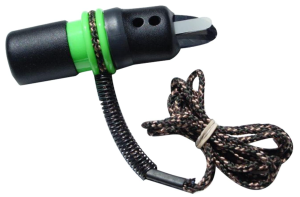
theRocky Mountain Hunting CallsELK Call excels by delivering consistent performance and adjustable sound control, making it an excellent choice when deer are cautious and vocalizations need to be precise rather than aggressive.
This call is engineered with a no-stick response design, ensuring clean, consistent sound production every time you use it. In cold late-season conditions—where moisture, frost, or freezing temperatures often cause lesser calls to fail—this dependable response becomes a major advantage. Hunters can focus on timing and strategy without worrying about stuck reeds or missed calling opportunities, which is critical when deer movement is limited to short feeding windows.
A standout feature of this call is its innovative “Tone Cap” system, which allows hunters to fine-tune sound output with ease. The strategically placed holes in the Tone Cap give precise control over tone, pitch, and volume, enabling hunters to match a wide range of late-season deer vocalizations. Whether you need soft, subtle contact sounds near food sources or slightly louder calls to reach deer moving through timber, this adjustability helps keep your calling natural and convincing.
Proven performance further sets this call apart. It has been used by winners in the Professional, Men’s, and Women’s Divisions at the RMEF Calling Championships, demonstrating its sound quality, versatility, and reliability at the highest competitive levels. This pedigree translates directly to the field, giving hunters confidence that they are using a call trusted by elite callers and tested under pressure.
Specifications
-
Call Type: Adjustable tone deer call
-
Sound Control: Variable tone, pitch, and volume
-
Technology: Innovative Tone Cap system
-
Reed Performance: No-stick response design
-
Proven Use: Championship-level calling competitions
Pros
-
Consistent no-stick response in cold or wet conditions
-
Adjustable tone, pitch, and volume for late-season realism
-
Easy sound customization using the Tone Cap
-
Proven performance at professional calling championships
-
Reliable and simple design for field use
Cons
-
Limited to manual adjustments rather than multi-sound presets
4.Woodhaven The Closer
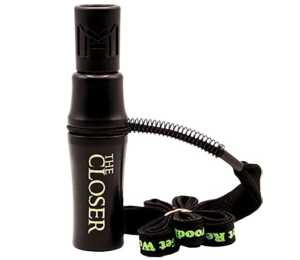
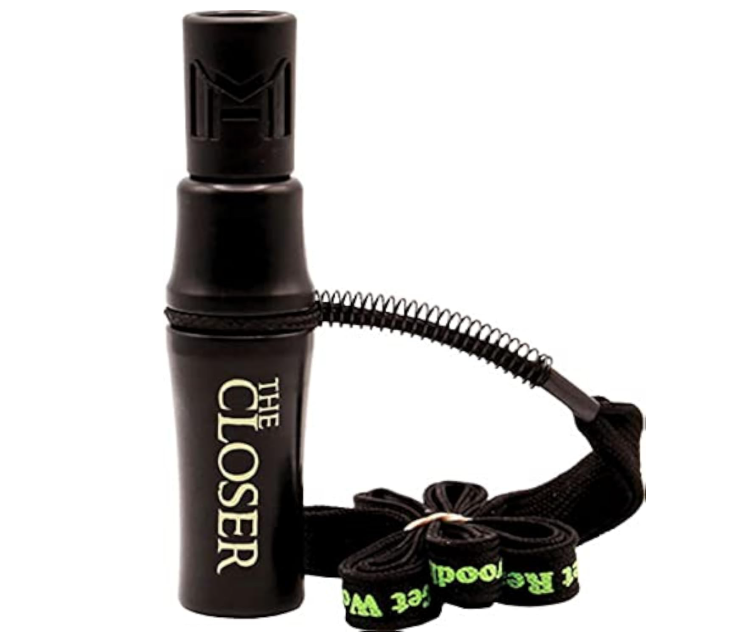
The “Closer” Bleat Call by WoodHaven Custom Calls is known for producing exceptionally realistic distress bleats and bawls of a young deer. While these sounds are often associated with early season, they remain effective late in the season by triggering a doe’s natural curiosity and protective instincts. When a mature doe hears these lifelike distress sounds, she often moves in to investigate, which can bring other deer— including bucks—within range.
In addition to distress calls, the “Closer” excels at producing realistic doe estrous bleats, a sound that can still be highly effective during late-season hunts when some does enter secondary estrus. These estrous bleats can draw in mature bucks that are still responsive to breeding opportunities, making the call versatile across multiple phases of the season. The natural tone quality helps avoid spooking pressured deer, which is critical during colder months when deer are less tolerant of unnatural noises.
Designed with hunters in mind, the “Closer” features a compact, lightweight, and extremely user-friendly design. It allows hunters to blow both extremely soft and very loud, providing excellent control over volume depending on distance, wind conditions, and deer proximity. This flexibility makes it easy to adjust calling intensity on the fly without changing calls. True to its name, the “Closer” lives up to its reputation—Realism UnLeashed—by delivering authentic sounds that bring deer in for a closer look.
Specifications
-
Call Type: Bleat and distress deer call
-
Sound Capability: Distress bleats, young deer bawls, doe estrous bleats
-
Volume Range: Ultra-soft to very loud
-
Design: Compact and lightweight
-
Ease of Use: Extremely user friendly
-
Manufacturer: WoodHaven Custom Calls
Pros
-
Highly realistic distress and estrous bleat sounds
-
Effective for late-season and secondary estrus periods
-
Compact design ideal for mobile hunters
-
Wide volume range for close or long-distance calling
-
Easy to use, suitable for beginners and experienced hunters
Cons
-
Focused mainly on bleat-style vocalizations
5.Primos Hunting Rut Roar Grunt Call, Advanced Dual-Reed System for Authentic Deer Sounds
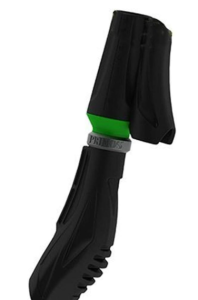
The Primos Rut Roar Grunt Call features an advanced dual-reed system that produces exceptionally realistic grunts and guttural roars. This dual-reed design enhances depth and tone control, allowing hunters to mimic everything from soft contact grunts to commanding roars that challenge dominant bucks. During late season—when bucks may still respond to territorial sounds or investigate competition near food sources—this realism can make a critical difference.
Versatility is a key strength of this call. Hunters can customize their calling strategy by easily switching between aggressive grunts, submissive bleats, and deep roars. This adaptability allows you to respond to changing deer activity, weather conditions, or pressure levels without changing calls. Whether you need a soft, non-threatening sound or a bold vocalization to spark curiosity, this call adjusts quickly to match the situation.
Designed for simplicity and durability, the Rut Roar Grunt Call is easy to use with one hand, thanks to its ergonomic layout. This allows hunters to stay ready on their weapon while making quick adjustments. Built from high-quality, rugged materials, it stands up to harsh outdoor conditions and delivers consistent performance season after season. Its compact and portable design ensures it’s always within reach, making it a dependable tool for late-season success.
Specifications
-
Call Type: Grunt and roar deer call
-
Reed System: Advanced dual-reed design
-
Sound Options: Grunts, bleats, and guttural roars
-
Operation: One-hand adjustable, ergonomic design
-
Construction: Durable, high-quality materials
-
Size: Compact and portable
Pros
-
Highly realistic sound from advanced dual-reed system
-
Versatile calling options for changing late-season scenarios
-
Simple, one-hand operation
-
Durable construction for long-term use
-
Compact size for easy carrying in the field
Cons
-
Aggressive sounds may be situational in heavily pressured areas
Also read;5 Best Easy to Use Duck Call for Beginners
Factor to Consider when Choosing Best Deer Call for Late Season Hunts
1. Realism of Sound
Late-season deer are highly cautious after weeks or months of hunting pressure, making sound realism more important than ever. A deer call should closely mimic natural deer vocalizations such as soft grunts, doe bleats, or distress sounds. Artificial or overly aggressive tones can quickly alert mature deer and cause them to avoid the area. Choosing a call known for lifelike sound quality increases your chances of drawing in wary late-season whitetails.
2. Volume Control and Adjustability
During late season, deer are often concentrated near food sources and bedding areas, meaning they may be closer than expected. A call that allows precise volume control—from extremely soft to moderately loud—helps avoid spooking nearby deer. Adjustable calls give hunters the flexibility to adapt to wind conditions, terrain, and distance, ensuring the sound matches the situation naturally.
3. Type of Calls Available
The best late-season deer calls should produce appropriate vocalizations for post-rut conditions. Grunts, doe bleats, fawn bleats, and subtle contact sounds are generally more effective than aggressive rattling or loud challenge calls. Multi-sound calls or versatile designs allow hunters to switch between call types quickly, making them more effective as deer behavior changes.
4. Cold-Weather Performance
Late-season hunts often involve freezing temperatures, snow, and moisture. Some deer calls can freeze, stick, or lose sound quality in these conditions. Selecting a call designed with freeze-resistant or no-stick technology ensures consistent performance when temperatures drop, allowing you to call confidently throughout the hunt without equipment failure.
5. Ease of Use
Late-season hunts can require quick, quiet adjustments while deer are within sight. A call that is simple to operate and easy to control with one hand allows hunters to stay focused on their surroundings. User-friendly designs are especially valuable when wearing gloves or operating in cold weather, reducing unnecessary movement that could alert deer.
6. Durability and Build Quality
Late-season hunting conditions are often harsh, with cold, moisture, and rugged terrain. A well-constructed deer call made from high-quality materials will withstand repeated use and environmental exposure. Durability ensures reliable performance year after year, making the call a dependable part of your late-season gear setup.
7. Portability and Size
Mobility is important during late-season hunts, whether you’re sitting in a blind, climbing into a stand, or still-hunting near feeding areas. Compact, lightweight deer calls are easier to carry and quicker to access when a calling opportunity arises. A portable design helps ensure your call is always within reach when timing is critical.
8. Versatility Across Late-Season Scenarios
Late-season deer behavior can vary depending on food availability, weather, and remaining breeding activity. A versatile deer call that performs well across multiple situations—such as secondary estrus, social interaction, or curiosity calling—offers greater value. Choosing a call that adapts to different late-season scenarios increases your chances of success throughout the final weeks of the season.
Frequent Asked Question Best Deer Call for Late Season Hunts
1. What type of deer call works best in the late season?
Late-season deer behavior is generally more cautious and less driven by breeding urgency than during peak rut. calls that mimic realistic contact sounds, such as soft grunts, doe bleats, fawn bleats, and subtle social calls, tend to work better than aggressive rattling or loud dominance calls. These softer, natural sounds can trigger curiosity or social responses without spooking wary whitetails.
2. How should I use a deer call during a late-season hunt?
Effective late-season calling is about timing and subtlety, not volume or frequency. Start with soft, gentle calls and allow long pauses in between to avoid overcalling. Pay attention to wind direction and deer movement patterns—target your sound downwind toward likely travel corridors. If you don’t get a response within 10–15 minutes, resist the urge to call constantly; instead, try minimal, well–timed calls to maintain realism.
3. Will weather affect how my deer call performs?
Yes, cold and wet conditions can impact many deer calls. Moisture can cause reeds to stick or freeze, affecting sound quality. Choosing a call with freeze-resistant design or no-stick features helps ensure consistent performance in winter conditions. Additionally, practicing with your call in real weather conditions before the season helps you understand how to adjust tone and volume effectively when temperatures drop.
Conclusion
Choosing the right deer call for late-season hunts can significantly improve your chances of success when whitetails are cautious and highly alert. A call that delivers realistic sound, reliable cold-weather performance, and precise control allows hunters to communicate naturally without drawing suspicion. By focusing on subtlety, versatility, and ease of use, hunters can adapt to changing deer behavior and maximize every calling opportunity during the final weeks of the season.