
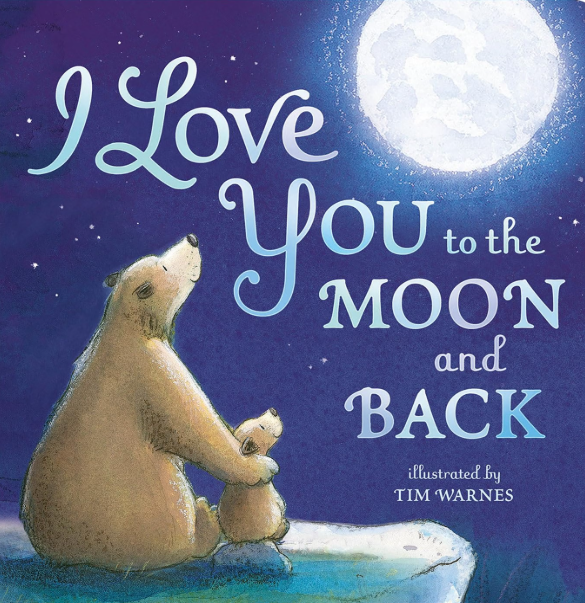
Best Books for Children play an important role in shaping young minds, encouraging creativity, and building a lifelong love of reading. The right books offer more than entertainment; they help children develop language skills, expand their vocabulary, explore new ideas, and understand important values such as kindness, friendship, and empathy. From colourful picture books and playful rhymes to engaging stories filled with memorable characters, children’s literature provides valuable learning experiences at every stage of development. Whether you are choosing a book for a baby, toddler, preschooler, or young reader, it is important to consider age suitability, educational value, illustrations, readability, and overall enjoyment. This guide explores some wonderful reading choices to help parents, caregivers, and gift-givers find engaging and meaningful books that inspire curiosity and make storytime special.
Best Books for Children
1.I Love You to the Moon and Back
I Love You to the Moon and Back by Amelia Hepworth, beautifully illustrated by Tim Warnes, is a charming and heartwarming children’s board book that celebrates the special bond between a parent and child. Designed especially for babies and toddlers aged 0–3 years, this delightful story reminds little ones just how deeply they are loved every minute of the day.
The story follows Mother Bear and her little cub as they enjoy a wonderful day together. From splashing in the water during bath time to climbing mountains, exploring the beautiful sky, and playing with woodland friends, their adventures are filled with warmth, affection, and happiness. Through simple everyday activities, the two bears express their love by touching noses, playing chasing games, hugging, and snuggling.
One of the book’s most appealing features is its beautiful rhyming text. Amelia Hepworth uses gentle, rhythmic language that makes the story enjoyable to read aloud. The soothing rhythm and reassuring message also make it an excellent bedtime story, helping parents and caregivers create special reading moments with their little ones.
The illustrations by Tim Warnes are another highlight. Every page features adorable bear characters, charming woodland animals, and lovely backgrounds in soft, appealing colours. The colourful yet gentle illustrations capture young children’s attention and bring the story to life, making it enjoyable even for babies who are just beginning to explore books.
Another thoughtful feature is the personalised “To” and “From” page at the beginning of the book. This allows gift-givers to add a personal message, making it a meaningful present for baby showers, birthdays, Mother’s Day, Father’s Day, Valentine’s Day, and new parents.
Overall, I Love You to the Moon and Back is a lovely addition to any child’s first bookshelf. Although its storyline follows a familiar theme of parental love, its sweet message, engaging illustrations, and gentle rhymes make it a memorable book for shared reading. It is particularly suitable for parents looking for a comforting story that celebrates unconditional love and strengthens the bond between parent and child.
Features
- Heartwarming storyline: Celebrates the unconditional love shared between a parent and child.
- Age-appropriate content: Specially designed for babies and toddlers aged 0–3.
- Gentle rhyming text: Features rhythmic, easy-to-follow language that is enjoyable to read aloud.
- Beautiful illustrations: Tim Warnes brings the story to life with adorable bears, woodland animals, and soft-coloured backgrounds.
- Bedtime-friendly: Its reassuring message and soothing rhythm make it ideal for bedtime reading.
- Parent-child bonding: Encourages cuddling, affection, and meaningful shared reading experiences.
- Personalisation page: Includes a special “To” and “From” page for gift-giving.
- Versatile gift choice: Suitable for baby showers, birthdays, Mother’s Day, Father’s Day, Valentine’s Day, and welcoming new parents.
Specifications
| Specification | Details |
|---|---|
| Book Title | I Love You to the Moon and Back |
| Author | Amelia Hepworth |
| Illustrator | Tim Warnes |
| Book Category | Children’s Books / Picture Books |
| Book Format | Board Book |
| Recommended Age | 0–3 years |
| Main Characters | Mother Bear and Cub |
| Story Theme | Love, affection, family bonding, and togetherness |
| Writing Style | Gentle, rhythmic, rhyming text |
| Illustrations | Colourful, charming woodland illustrations |
| Special Feature | Personalised “To” and “From” page |
| Best Use | Bedtime reading, early learning, and gift-giving |
Pros
- Beautifully communicates the importance of unconditional parental love.
- Simple rhyming language makes it easy for parents to read aloud.
- Gorgeous illustrations keep babies and toddlers interested.
- Board-book format is suitable for young children’s early reading experiences.
- Makes bedtime routines more comforting and enjoyable.
- Encourages parent-child bonding through shared reading.
- Personalisation page makes it a thoughtful and memorable gift.
- Suitable for several special occasions, including baby showers and birthdays.
Cons
- The storyline is relatively simple and may not offer much complexity for older children.
- The theme of parental love is familiar and does not introduce a particularly new storyline.
2.See You Later, Alligator (RhymeTime Animals)
See You Later, Alligator is a charming and entertaining picture storybook that introduces young children to the joy of friendship, affection, and saying goodbye. Part of the RhymeTime Animals series, this delightful story follows a friendly tortoise who decides to embark on an adventure but first wants to say farewell to all his animal friends at the zoo.
As Tortoise slowly makes his way through the zoo, he stops to exchange warm and affectionate goodbyes with each animal. His farewells are similar to the loving expressions that parents and children share in their everyday lives. Each encounter provides an opportunity to celebrate friendship, kindness, and the special relationships we build with others.
The story takes an amusing turn as Tortoise becomes so involved in saying goodbye to his friends that he takes much longer than expected. By the time he finally reaches the zoo exit, it is already too dark for him to begin his adventure. This humorous ending makes the story enjoyable while gently reminding young readers about time, patience, and the importance of balancing social interactions with personal plans.
One of the book’s appealing qualities is its animal-centred storyline. Young children naturally enjoy stories featuring familiar and friendly animals, making this book an engaging choice for early reading. The zoo setting also creates opportunities for parents and caregivers to introduce children to different animals while encouraging curiosity and imagination.
As a picture storybook, See You Later, Alligator is suitable for shared reading experiences. Parents can use the repeated farewell expressions to encourage children to participate, practise familiar greetings, and develop their language and communication skills. The affectionate interactions also help introduce important social concepts such as friendship, politeness, and expressing emotions when parting from loved ones.
The book is particularly suitable for children aged 2–4 years. Its simple storyline and playful animal characters make it a lovely addition to a young child’s reading collection. Whether enjoyed at bedtime, during story time, or as part of early childhood learning activities, it offers an entertaining way to explore friendship and everyday social interactions.
Overall, See You Later, Alligator is a delightful addition to the best books for children, combining humour, animal adventures, and heartwarming messages. It is an enjoyable choice for parents, teachers, and caregivers looking for an engaging story that encourages early language development and positive social skills.
Features
- Engaging animal storyline: Follows a friendly tortoise as he says goodbye to his animal friends at the zoo.
- Heartwarming message: Celebrates friendship, affection, and meaningful relationships.
- Humorous ending: Tortoise spends so much time saying goodbye that it becomes too dark to start his adventure.
- Early language development: Introduces familiar farewell expressions and everyday conversational language.
- Social skills development: Encourages children to understand greetings, goodbyes, kindness, and friendship.
- Animal-themed learning: Introduces young readers to different zoo animals through an entertaining story.
- Interactive reading opportunities: Parents and caregivers can encourage children to repeat the farewell phrases and participate in storytelling.
- Part of a series: Belongs to the RhymeTime Animals picture storybook series.
- Age-appropriate reading: Recommended for young children aged 2–4 years.
Specifications
| Specification | Details |
|---|---|
| Book Title | See You Later, Alligator |
| Book Category | Children’s Picture Storybooks |
| Series | RhymeTime Animals |
| Language | English |
| ISBN-10 | 1787008576 |
| ISBN-13 | 978-1787008571 |
| Recommended Reading Age | 2–4 years |
| Main Character | A friendly tortoise |
| Setting | A zoo |
| Story Theme | Friendship, affection, greetings, and goodbyes |
| Book Format | Picture Storybook |
| Item Weight | 2.31 pounds |
| Dimensions | 10 × 0.12 × 10 inches |
Pros
- Features a fun and engaging animal-themed storyline.
- Teaches children about friendship, kindness, and affection.
- Introduces familiar expressions used when saying goodbye.
- Encourages early language and communication development.
- Provides opportunities for interactive parent-child reading.
- Includes a humorous ending that makes the story entertaining.
- Helps children explore social interactions and emotional connections.
- Suitable for bedtime reading, classroom storytelling, and home libraries.
- Forms part of the RhymeTime Animals series, making it a potential choice for children who enjoy animal stories.
Cons
- The storyline may be too simple for older children.
- The zoo setting and animal characters may be less appealing to children who prefer other story themes.
3.Dr. Seuss’s Beginner Book Boxed Set Collection: The Cat in the Hat; One Fish Two Fish Red Fish Blue Fish; Green Eggs and Ham; Hop on Pop; Fox in Socks
Dr. Seuss’s Beginner Book Boxed Set Collection is a wonderful collection of five classic children’s books designed to introduce young readers to the excitement of reading. Written by the legendary children’s author Dr. Seuss and published by Random House Books for Young Readers, this boxed set brings together entertaining stories, playful rhymes, imaginative characters, and colourful adventures that make learning to read enjoyable.
The collection includes five popular titles: The Cat in the Hat, One Fish Two Fish Red Fish Blue Fish, Green Eggs and Ham, Hop on Pop, and Fox in Socks. Each book offers a unique reading experience filled with humour, creativity, and memorable language. Together, they provide young children with an excellent introduction to storytelling, vocabulary, and early literacy skills.
One of the collection’s biggest strengths is its use of simple words, repetition, and rhyming patterns. Dr. Seuss creates playful sentences that encourage children to recognise familiar words, practise pronunciation, and develop confidence in reading independently. The repetitive language also makes the stories easier for beginners to follow and remember.
Each book introduces children to a different imaginative world. The Cat in the Hat takes readers on an exciting adventure with a mischievous character, while One Fish Two Fish Red Fish Blue Fish introduces playful language, colours, numbers, and amusing characters. Green Eggs and Ham encourages children to be open to trying new things, while Hop on Pop uses simple rhymes to introduce basic vocabulary and word recognition. Fox in Socks challenges young readers with entertaining tongue-twisters that make pronunciation practice fun.
Another appealing feature is the variety of stories included in one boxed set. Children can enjoy different characters, situations, and reading challenges without needing to purchase each book separately. The collection is also suitable for shared reading, allowing parents, teachers, and caregivers to read aloud with children while encouraging participation and discussion.
The boxed-set presentation makes this collection an excellent gift for birthdays, holidays, Christmas, and other special occasions. It is also a valuable addition to home libraries, preschool classrooms, and early learning environments. With its combination of humour, imagination, and educational value, this collection helps create positive reading experiences that can inspire a lifelong love of books.
Overall, Dr. Seuss’s Beginner Book Collection deserves a place among the best books for children. Its entertaining stories, memorable rhymes, beginner-friendly vocabulary, and variety of reading experiences make it an excellent resource for children developing their early reading skills.
Features
- Five classic children’s books: Includes The Cat in the Hat, One Fish Two Fish Red Fish Blue Fish, Green Eggs and Ham, Hop on Pop, and Fox in Socks.
- Beginner-friendly reading: Uses simple vocabulary and repetitive phrases to support early readers.
- Rhyming language: Encourages phonological awareness, word recognition, and reading fluency.
- Educational entertainment: Combines humour and storytelling with opportunities to develop language skills.
- Vocabulary development: Introduces children to new words, playful expressions, and interesting sentence patterns.
- Imaginative storytelling: Features memorable characters, funny situations, and creative adventures.
- Pronunciation practice: Includes playful tongue-twisters, especially in Fox in Socks.
- Multiple reading experiences: Offers five different stories in one convenient collection.
- Shared reading opportunities: Encourages parents and caregivers to read with children and build positive reading habits.
- Gift-ready presentation: The boxed set makes a thoughtful present for young readers and families.
Books Included in the Collection
- The Cat in the Hat: An entertaining adventure featuring the mischievous Cat and his unexpected visit.
- One Fish Two Fish Red Fish Blue Fish: A playful story introducing colours, numbers, rhymes, and imaginative characters.
- Green Eggs and Ham: A humorous story that encourages children to explore new experiences and remain open-minded.
- Hop on Pop: A beginner-friendly book featuring simple words and rhyming sentences to support early reading.
- Fox in Socks: A fun and challenging collection of tongue-twisters that helps children practise pronunciation and word sounds.
Specifications
| Specification | Details |
|---|---|
| Product Title | Dr. Seuss’s Beginner Book Boxed Set Collection |
| Author | Dr. Seuss |
| Publisher | Random House Books for Young Readers |
| Binding | Boxed Set |
| Number of Books | 5 |
| Language | English |
| Publication Date | September 30, 2009 |
| ASIN | B00QPO0VCW |
| Collection Type | Beginner Books / Children’s Literature |
| Included Titles | The Cat in the Hat; One Fish Two Fish Red Fish Blue Fish; Green Eggs and Ham; Hop on Pop; Fox in Socks |
| Main Themes | Reading development, imagination, humour, vocabulary, and creativity |
| Recommended Use | Early reading, bedtime stories, classroom activities, and gift-giving |
Pros
- Includes five well-known and entertaining children’s books in one collection.
- Encourages early reading skills through simple words and repetitive language.
- Uses rhymes to make learning enjoyable and memorable.
- Helps children develop vocabulary and word recognition.
- Promotes pronunciation practice through playful language and tongue-twisters.
- Inspires imagination and creativity through humorous stories.
- Provides variety, keeping children interested in different reading experiences.
- Encourages parent-child bonding through shared reading.
- Suitable for home libraries, preschool settings, and early literacy activities.
- Makes an excellent gift for young children and beginner readers.
Cons
- Some rhymes and tongue-twisters may be challenging for children who are just beginning to read.
- Certain expressions and humorous situations may require adult explanation.
4.Grumpy Monkey Board Book
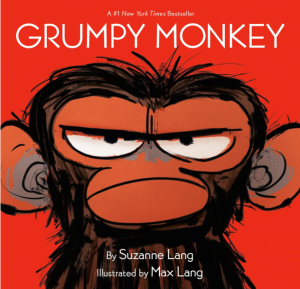
Grumpy Monkey by Suzanne Lang, with illustrations by Max Lang, is a hilarious, heartwarming, and educational picture book that helps young children understand and manage their emotions. A bestselling favourite and a #1 New York Times bestseller, this delightful story explores an important childhood experience: having a bad day or feeling grumpy without always knowing why.
The story follows Jim, a chimpanzee who wakes up in a terrible mood despite the beautiful day around him. His animal friends cannot understand why he is unhappy when everything seems perfect. As they notice his grumpiness, they offer different suggestions to cheer him up. However, Jim becomes increasingly frustrated because he does not feel like following their advice. Eventually, he has a little meltdown, leading to an important realisation: sometimes, it is perfectly okay to feel grumpy.
One of the book’s greatest strengths is its focus on emotional literacy. Through Jim’s experience, children learn that they do not always have to feel happy and that all emotions are normal parts of life. The story gently demonstrates that children should be allowed to recognise and express their feelings rather than feeling pressured to pretend everything is fine. It also helps young readers understand that everyone experiences different emotions, even when there appears to be no obvious reason.
Suzanne Lang presents this important lesson through entertaining storytelling and relatable situations. The humorous conversations between Jim and his friends make the subject of emotions easier for young children to understand. Rather than delivering a complicated lesson, the book uses a simple story to encourage conversations about sadness, frustration, irritation, and happiness.
The illustrations by Max Lang add another wonderful dimension to the reading experience. Jim’s expressive facial expressions and body language help children recognise different emotions and understand how feelings can influence behaviour. The colourful animal characters and amusing scenes also make the book visually engaging and enjoyable for young readers.
Another appealing feature is that Grumpy Monkey is the first book in a larger series designed to encourage children of different ages to understand and embrace their feelings. Families who enjoy Jim’s adventures can explore additional titles, including Grumpy Monkey’s Little Book of Grumpiness, Grumpy Monkey Don’t Be Scared, Grumpy Monkey Freshly Squeezed, and Grumpy Monkey Ready, Set, Bananas!
Overall, Grumpy Monkey is an excellent addition to the best books for children because it combines humour, colourful illustrations, and valuable emotional lessons. It is particularly useful for parents, teachers, and caregivers who want to help children understand that experiencing difficult emotions is normal and that they can learn healthy ways to recognise and communicate their feelings.
Features
- Bestselling children’s picture book: A #1 New York Times bestselling classic that has entertained young readers and families.
- Engaging storyline: Follows Jim the chimpanzee as he struggles with an unexplained bad mood.
- Emotional literacy: Helps children recognise, understand, and accept different emotions.
- Positive emotional message: Teaches children that it is okay to feel grumpy or unhappy sometimes.
- Relatable characters: Features animal friends whose reactions reflect everyday social interactions.
- Humorous storytelling: Uses funny situations and conversations to make emotional learning enjoyable.
- Expressive illustrations: Max Lang’s illustrations help children identify feelings through facial expressions and body language.
- Encourages communication: Provides opportunities for parents and children to discuss emotions and personal experiences.
- Supports social development: Helps children understand that other people may experience feelings different from their own.
- Part of a bestselling series: Introduces readers to additional Grumpy Monkey books targeting different ages and reading interests.
Specifications
| Specification | Details |
|---|---|
| Book Title | Grumpy Monkey |
| Author | Suzanne Lang |
| Illustrator | Max Lang |
| Book Category | Children’s Picture Books |
| Series | Grumpy Monkey |
| Language | English |
| Main Character | Jim the Chimpanzee |
| Story Theme | Emotional literacy, feelings, friendship, and self-awareness |
| Genre | Humorous Children’s Fiction |
| Book Format | Picture Storybook |
| Series Position | First book in the Grumpy Monkey series |
| Reading Focus | Understanding and expressing emotions |
| Target Audience | Young children, parents, teachers, and caregivers |
Pros
- Teaches children that all emotions are valid and normal.
- Helps young readers recognise and understand difficult feelings.
- Encourages healthy conversations about emotions between children and adults.
- Uses humour to make emotional learning entertaining and memorable.
- Features expressive and colourful illustrations that attract young readers.
- Introduces relatable situations that children can connect with.
- Encourages empathy and understanding of other people’s feelings.
- Helps children develop emotional awareness and communication skills.
- Suitable for shared reading at home, in preschool, and in classrooms.
- Belongs to a popular series, offering opportunities for continued reading and learning.
Cons
- The story focuses heavily on grumpiness, which may not appeal to every child.
- Some younger readers may need adult guidance to understand the emotional lessons.
5.Brown Bear, Brown Bear, What Do You See?: 50th Anniversary Edition
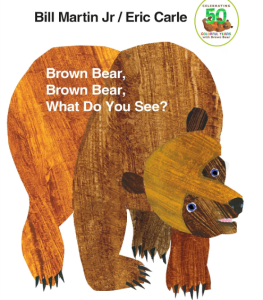
Brown Bear, Brown Bear, What Do You See? by Bill Martin Jr., beautifully illustrated by Eric Carle, is a timeless children’s picture book that introduces young readers to the wonderful world of colours, animals, and early language development. With more than twenty million copies sold, this much-loved classic has entertained generations of children and remains an excellent choice for introducing babies and toddlers to books.
The story takes young readers on a colourful journey through a series of familiar and imaginative animals. A big happy frog, a plump purple cat, a handsome blue horse, and a soft yellow duck are among the delightful characters that appear throughout the pages. Each animal introduces another character through a simple question-and-answer pattern, creating an engaging reading experience that encourages children to anticipate what comes next.
One of the book’s greatest strengths is its repetitive and melodic text. Bill Martin Jr. uses simple language and a predictable storytelling pattern that makes it easy for young children to follow along. As the same question-and-answer structure repeats, children quickly become familiar with the words and can participate by naming animals, identifying colours, and repeating phrases. This makes the book particularly useful for developing early vocabulary, listening skills, memory, and language confidence.
The illustrations by Eric Carle are another outstanding feature. His distinctive collage artwork uses bold colours, interesting textures, and beautifully arranged animal characters to capture children’s attention. Each page introduces a new visual experience, encouraging little ones to observe, recognise, and identify different animals and colours. The vibrant illustrations also make the story enjoyable for babies who are not yet able to read independently.
Another important advantage is the availability of a durable board-book edition. Designed with the youngest readers in mind, this sturdy format makes it easier for babies and toddlers to explore the book with their parents and caregivers. Its engaging pictures and simple text also make it ideal for repeated reading, which is an important part of early childhood learning.
The book is also part of the popular Brown Bear and Friends series, giving families opportunities to explore more stories featuring familiar animal characters. Other titles include Baby Bear, Baby Bear, What Do You See? and Polar Bear, Polar Bear, What Do You Hear? These companion books provide additional opportunities to develop vocabulary, animal recognition, and listening skills.
Overall, Brown Bear, Brown Bear, What Do You See? deserves its place among the best books for children. Its simple repetitive language, vibrant illustrations, engaging animal characters, and educational value make it a wonderful first book for babies and toddlers. It is equally suitable for parents, preschool teachers, and caregivers looking to encourage early literacy through enjoyable shared reading.
Features
- Bestselling classic: More than twenty million copies sold worldwide, making it one of the most recognisable children’s picture books.
- Engaging animal characters: Features a variety of colourful animals, including a brown bear, happy frog, purple cat, blue horse, and yellow duck.
- Repetitive storytelling: Uses a predictable question-and-answer pattern that encourages children to participate.
- Colour recognition: Introduces young readers to different colours through vibrant animal illustrations.
- Vocabulary development: Helps children learn animal names, descriptive words, and simple phrases.
- Language development: Encourages listening, speaking, repetition, and early reading confidence.
- Beautiful illustrations: Features Eric Carle’s distinctive collage artwork with bold colours and interesting textures.
- Durable board-book edition: Designed to withstand frequent handling by babies and toddlers.
- Interactive reading: Encourages children to identify animals, predict what comes next, and repeat familiar phrases.
- Part of a series: Can be enjoyed alongside other titles in the Brown Bear and Friends collection.
Specifications
| Specification | Details |
|---|---|
| Book Title | Brown Bear, Brown Bear, What Do You See? |
| Author | Bill Martin Jr. |
| Illustrator | Eric Carle |
| Book Category | Children’s Picture Books |
| Series | Brown Bear and Friends |
| Language | English |
| Book Format | Board Book Edition |
| Main Characters | Brown Bear and a variety of colourful animals |
| Story Theme | Animals, colours, observation, and early learning |
| Writing Style | Repetitive, rhythmic, and melodic text |
| Illustration Style | Colourful collage artwork |
| Educational Focus | Colour recognition, animal identification, vocabulary, and language development |
| Recommended Use | Early learning, bedtime reading, preschool activities, and shared reading |
Pros
- Introduces babies and toddlers to colours and different animals.
- Features simple, repetitive language that is easy for young children to follow.
- Encourages early vocabulary development and language skills.
- Beautiful, vibrant illustrations capture children’s attention.
- Promotes interactive reading through repetition and prediction.
- Durable board-book edition is suitable for frequent handling.
- Supports memory development and listening skills.
- Encourages parent-child bonding through shared reading.
- Suitable for babies, toddlers, and preschool learning activities.
- Part of a popular series with additional books to explore.
- Its timeless storyline makes it enjoyable across generations.
Cons
- The repetitive storytelling pattern may become predictable for older children.
- The simple text may not provide enough reading challenge for advanced readers.
6.The Very Hungry Caterpillar
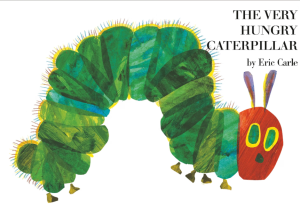
The Very Hungry Caterpillar by Eric Carle is an iconic, bestselling children’s picture book that has delighted generations of young readers. Recognised as one of the most beloved children’s classics, this beautifully illustrated story introduces little ones to the fascinating journey of a tiny caterpillar as it grows and transforms into a beautiful butterfly.
The story begins with a tiny egg resting on a leaf under the moonlight. One Sunday morning, the warm sun rises, and a little caterpillar emerges from the egg. Feeling very hungry, the caterpillar begins searching for food, eating its way through a variety of fruits and other treats throughout the week. As the days pass, the caterpillar grows bigger and eventually forms a cocoon before undergoing a wonderful transformation into a beautiful butterfly.
One of the book’s greatest strengths is its ability to combine entertainment with early childhood education. Through the caterpillar’s daily eating adventures, children are introduced to counting, numbers, different foods, and the days of the week. The repetitive storytelling also encourages young readers to follow along, anticipate what happens next, and develop their vocabulary and listening skills.
Eric Carle’s illustrations are another outstanding feature. His distinctive collage artwork uses bold colours, interesting textures, and eye-catching images that make every page visually exciting. The simple text, presented in large and clear lettering, makes the story easy for parents to read aloud and for young children to follow. The colourful illustrations also help babies and toddlers recognise different objects, foods, and stages of the caterpillar’s development.
The interactive die-cut pages make this book particularly special. The small holes and carefully designed page layouts allow children to follow the caterpillar’s eating journey visually and interact with the story. The sturdy board-book edition is designed for little hands, making it suitable for frequent reading and exploration by babies and toddlers.
Beyond its educational value, The Very Hungry Caterpillar introduces an important life lesson about growth and transformation. The caterpillar’s journey into a butterfly helps children understand that change is a natural and necessary part of life. It encourages curiosity about nature while presenting a positive message about development, patience, and new beginnings.
The book has also received considerable recognition, including being named one of The Atlantic‘s 65 Essential Children’s Books. It has been praised by The New York Times Book Review for its gorgeous illustrations and innovative storytelling. With its timeless appeal, it makes a wonderful gift for newborn babies, baby showers, birthdays, and other special occasions.
Overall, The Very Hungry Caterpillar deserves a special place among the best books for children. Its combination of beautiful illustrations, interactive pages, simple storytelling, and educational concepts makes it an excellent introduction to reading and early learning.
Features
- Iconic bestselling classic: A beloved children’s book featuring one of the world’s most recognisable caterpillar characters.
- Engaging storyline: Follows a hungry caterpillar from its emergence from an egg to its transformation into a butterfly.
- Early counting skills: Introduces numbers and counting through the caterpillar’s food adventures.
- Days of the week: Helps children become familiar with the seven days of the week.
- Food recognition: Introduces different fruits and foods in an entertaining way.
- Interactive die-cut pages: Features specially designed holes and page layouts that encourage children to explore the story.
- Beautiful illustrations: Includes Eric Carle’s distinctive, colourful collage artwork.
- Simple, clear text: Uses easy-to-follow language and large lettering suitable for early readers and read-aloud sessions.
- Nature and life-cycle learning: Introduces the concept of metamorphosis and the transformation of a caterpillar into a butterfly.
- Durable board-book edition: Sturdy construction and a child-friendly size make it suitable for little hands.
- Meaningful life lessons: Encourages children to appreciate growth, patience, change, and new beginnings.
- Excellent gift choice: Perfect for baby showers, newborn gifts, birthdays, and other celebrations.
Specifications
| Specification | Details |
|---|---|
| Book Title | The Very Hungry Caterpillar |
| Author | Eric Carle |
| Illustrator | Eric Carle |
| Book Category | Children’s Picture Books |
| Genre | Educational Picture Book |
| Language | English |
| Book Format | Board Book Edition |
| Main Character | The Very Hungry Caterpillar |
| Story Theme | Growth, transformation, food, and nature |
| Writing Style | Simple, repetitive, and engaging text |
| Illustration Style | Colourful collage artwork |
| Interactive Features | Die-cut pages |
| Educational Focus | Counting, days of the week, food recognition, and life cycles |
| Reading Activities | Shared reading, early learning, and storytelling |
| Recognition | One of The Atlantic‘s 65 Essential Children’s Books |
| Best Use | Bedtime reading, preschool learning, and gift-giving |
Pros
- Combines entertainment with valuable early learning concepts.
- Introduces counting and basic number recognition.
- Helps children learn the days of the week.
- Encourages food recognition and vocabulary development.
- Features colourful and visually appealing illustrations.
- Interactive die-cut pages make reading more engaging.
- Simple text makes it suitable for shared reading and early literacy.
- Introduces children to the fascinating life cycle of a butterfly.
- Teaches positive lessons about growth, patience, and transformation.
- Sturdy board-book edition is suitable for babies and toddlers.
- Encourages curiosity, observation, and imagination.
- Makes a thoughtful gift for newborns, birthdays, and baby showers.
Cons
- The simple storyline may not provide enough complexity for older children.
- Repetitive text may become predictable for children who prefer varied storytelling.
Read also;6 Best Young Adult Detective Mystery
Factors to Consider When Choosing the Best Books for Children
1. Age Appropriateness
One of the most important factors to consider when choosing children’s books is the recommended reading age. Books should match a child’s developmental stage, reading ability, and level of understanding. For example, board books with simple words, colourful pictures, and repetitive phrases are ideal for babies and toddlers, while preschoolers may enjoy stories with more detailed plots and engaging characters. Selecting age-appropriate books ensures that children can understand and enjoy the content without becoming frustrated or losing interest.
2. Educational Value and Learning Opportunities
The best children’s books should provide opportunities for learning while keeping young readers entertained. Parents and teachers should look for books that introduce useful concepts such as numbers, colours, shapes, animals, vocabulary, and basic science. For instance, The Very Hungry Caterpillar teaches counting, days of the week, food recognition, and the butterfly life cycle, while Brown Bear, Brown Bear, What Do You See? introduces colours and animal identification. Books with educational value help children develop essential knowledge and skills through enjoyable reading experiences.
3. Quality of Illustrations and Visual Appeal
Illustrations play a significant role in attracting children’s attention and helping them understand stories. Young readers, particularly babies and toddlers, often respond more strongly to colourful pictures than lengthy written descriptions. Books featuring attractive illustrations, clear images, interesting characters, and appealing colours can stimulate imagination and encourage visual learning. For example, Eric Carle’s distinctive collage illustrations in The Very Hungry Caterpillar and Brown Bear, Brown Bear, What Do You See? make the stories visually engaging. Parents should therefore choose books with age-appropriate illustrations that complement the written content.
4. Language, Vocabulary, and Reading Difficulty
The language used in a children’s book should be simple enough for the intended audience to understand while introducing opportunities to learn new words and expressions. Repetitive sentences, rhyming words, rhythmic patterns, and predictable storytelling can help young children develop listening, pronunciation, vocabulary, and reading confidence. Collections such as Dr. Seuss’s Beginner Books use playful rhymes and simple language to encourage early literacy. Similarly, Brown Bear, Brown Bear, What Do You See? uses repetition to encourage children to participate in storytelling. Choosing books with suitable language helps children gradually improve their communication and reading abilities.
5. Positive Values and Emotional Development
Children’s books should encourage positive values and help young readers understand their feelings and relationships with others. Stories that explore kindness, friendship, honesty, patience, love, empathy, and emotional awareness can contribute to children’s social and emotional development. For example, Grumpy Monkey teaches children that experiencing different emotions is normal, while I Love You to the Moon and Back celebrates parental love, affection, and family bonding. Parents and teachers should prioritise books that communicate meaningful lessons and encourage children to develop healthy relationships and understand themselves better.
6. Durability, Safety, and Book Format
The physical quality and format of a children’s book are also important considerations, especially when buying books for babies and toddlers. Young children may handle books roughly, so sturdy board books with thick pages are often more suitable than delicate paperbacks. Books should have durable bindings, child-friendly designs, and safe construction without easily detachable components that could pose hazards. Interactive features such as the die-cut pages in The Very Hungry Caterpillar can make reading more enjoyable, provided they are appropriate for the child’s age and used with suitable supervision. Choosing durable books ensures they can withstand frequent handling and repeated reading.
7. Entertainment Value and Child Engagement
A good children’s book should capture a child’s interest and make reading an enjoyable activity rather than a compulsory task. Engaging storylines, humorous situations, memorable characters, repetition, and interactive elements can encourage children to remain interested and participate in storytelling. For instance, See You Later, Alligator uses amusing animal characters and affectionate farewells, while Dr. Seuss’s Beginner Book Collection offers imaginative adventures and entertaining rhymes. Parents should consider their children’s interests and choose stories that inspire curiosity, imagination, excitement, and a desire to read more often.
8. Price, Availability, and Gift Suitability
Affordability and availability are practical factors to consider when selecting the best books for children. Parents, teachers, and caregivers should compare book prices, formats, quality, and educational benefits to find options that provide good value for money. It is also useful to consider whether a book is available as a board book, paperback, hardcover, or boxed collection, depending on the child’s needs and the intended use. Some books, such as Dr. Seuss’s Beginner Book Collection, offer several stories in one boxed set, providing variety and value. Additionally, books with personalisation pages, attractive packaging, or meaningful messages make thoughtful gifts for birthdays, baby showers, holidays, and other special occasions.
Frequently Asked Questions About the Best Books for Children
1. What are the best books for children?
The best books for children are engaging, age-appropriate, and educational stories that encourage imagination, creativity, and a love of reading. Popular choices include The Very Hungry Caterpillar by Eric Carle, Brown Bear, Brown Bear, What Do You See? by Bill Martin Jr., Grumpy Monkey by Suzanne Lang, and Dr. Seuss’s Beginner Book Collection. These books introduce children to important concepts such as colours, numbers, vocabulary, friendship, emotions, and early reading skills.
2. At what age should children start reading books?
Children can start exploring books from infancy. Babies benefit from sturdy board books featuring colourful illustrations, simple pictures, and repetitive words. As they grow into toddlers and preschoolers, they can enjoy rhyming stories, interactive picture books, and simple storylines. Books such as I Love You to the Moon and Back are suitable for babies and toddlers aged 0–3, while See You Later, Alligator is recommended for children aged 2–4. Introducing books early helps develop listening skills, vocabulary, imagination, and positive reading habits.
3. What are the benefits of reading books to children?
Reading books to children supports language development, vocabulary building, creativity, imagination, and early literacy skills. It also introduces important educational concepts such as numbers, colours, animals, and nature. Additionally, stories can teach valuable life lessons about kindness, friendship, patience, love, and emotional awareness. Reading together strengthens the bond between parents and children while encouraging curiosity, confidence, and a lifelong interest in learning.
Conclusion
Choosing the Best Books for Children is a meaningful way to support a child’s learning, imagination, and overall development while creating enjoyable reading experiences. From colourful picture books and playful rhymes to engaging stories that teach valuable life lessons, the right books can nurture language skills, encourage curiosity, build emotional understanding, and inspire a lifelong love of reading. When selecting children’s books, consider the child’s age, interests, reading ability, illustrations, educational value, and book quality to ensure an enjoyable and suitable choice. Whether you are buying a book for everyday reading, a special occasion, or a thoughtful gift, investing in good children’s literature can create lasting memories and make every storytime an opportunity to learn, explore, and grow.